Books I return to, recommend and give to people
Books on recovery, trauma, neurodiversity and behaviour, and a few that are simply worth reading.
Some links are affiliate links. I may receive a small commission at no extra cost to you.
What the behaviour was trying to do
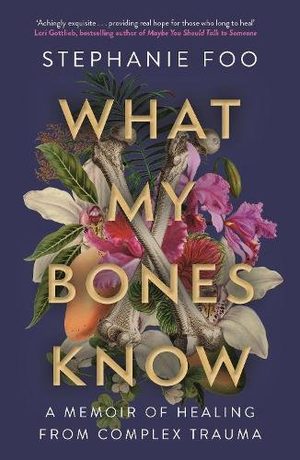
What My Bones Know
A beautifully written memoir about complex trauma, survival and what healing actually looks like once you stop pretending the past has disappeared. Stephanie Foo combines lived experience with serious curiosity about the science of C-PTSD, but the book never feels clinical. It is intelligent, funny in places, painful in others, and ultimately very hopeful.
Buy the book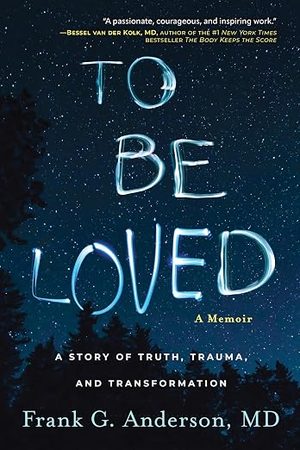
To Be Loved
Frank Anderson’s memoir is the other side of his work. Personal rather than technical, it explores childhood trauma, survival, shame, forgiveness and the long process of understanding what happened without allowing it to define everything that comes afterwards. A reminder that expertise and lived experience are not opposites.
Buy the book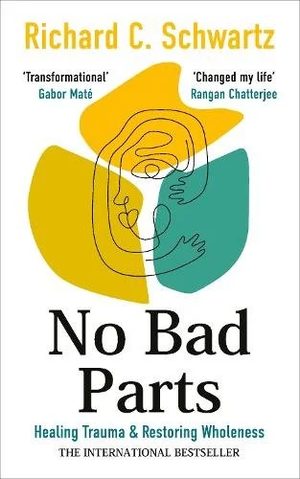
No Bad Parts
Probably the clearest introduction to Internal Family Systems for a general reader. The central idea is simple and surprisingly powerful: the parts of us we dislike most often began by trying to protect us. I recommend this because it gives people a less punitive way of understanding themselves.
Buy the bookBooks that are intelligent without losing sight of the person
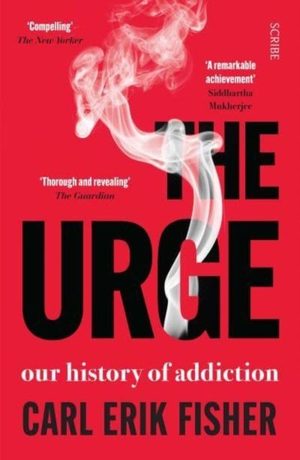
The Urge
One of the smartest books on addiction I know. Part history, part memoir, part clinical examination, it resists the temptation to reduce addiction to one explanation. Fisher writes as both an addiction psychiatrist and someone with lived experience of addiction and recovery. It is intelligent without becoming detached from the person at the centre of it.
Buy the book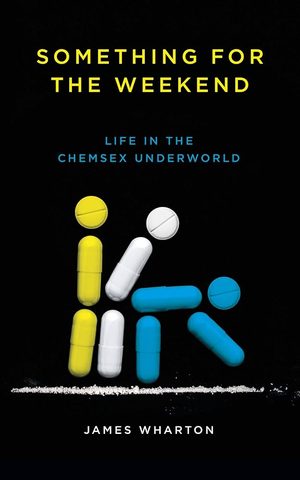
Something for the Weekend
A first-person account of being pulled into London’s chemsex world after the end of a marriage and the disorientation of starting again. Wharton writes frankly about drugs, sex, loneliness, intimacy and the strange mixture of connection and isolation that can exist inside chemsex culture.
I value it because it does not treat chemsex as spectacle. It tries to understand why people enter that world, what they are looking for there, and what happens when something that begins as escape or connection becomes much harder to leave.
Buy the book
Beyond Addiction
This is the book I most often think families should read. It is practical, evidence-led and refreshingly free of the idea that someone has to be frightened, shamed or confronted into changing. The emphasis is on communication, motivation, reinforcement and staying connected without colluding.
Buy the bookRecovery writing beyond the redemption story
Famesick
I was captivated by Girls. Shoshanna remains my spirit animal, which probably tells you more about me than it should.
Famesick interested me for different reasons. Dunham writes about what happens when extraordinary success, illness, work, relationships, prescription drugs and public scrutiny become increasingly difficult to separate. There is something compelling about the distance between appearing extraordinarily capable and quietly coming apart.
She doesn’t try to make herself more sympathetic than the story allows, which is partly why I liked it. Recovery isn’t presented as a clean moral arc, and success isn’t mistaken for wellbeing.
Buy the book
Cudi
I admire his work, but I admire the honesty of this book even more. Cudi writes about fame, depression, addiction, recovery, relapse and finding his way back again without trying to tidy any of it into a neat redemption story. What stayed with me is the willingness to tell the truth about recovery as something lived, lost, rebuilt and lived again. There is real courage in that kind of honesty.
Buy the book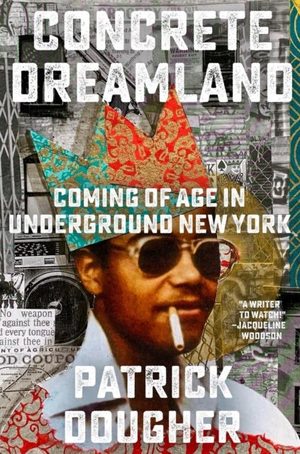
Concrete Dreamland
Patrick Dougher writes about growing up Black and Irish in 1970s and 1980s New York, moving between cultures and identities while coming of age in a city exploding with hip hop, punk, reggae, art and possibility. Race, family, creativity and belonging sit alongside the glamour and destruction of drugs that ran through parts of that world.
What I love most is the honesty of the recovery story. Dougher writes about the long period before sobriety as anything but linear: repeated attempts to stop, bargaining with addiction, homelessness, and finally a moment of surrender. Recovery itself is then shown as rebuilding rather than redemption-by-magic: learning how to live, repairing relationships and becoming the artist he had perhaps been all along.
Buy the bookWhy ordinary life can take so much effort
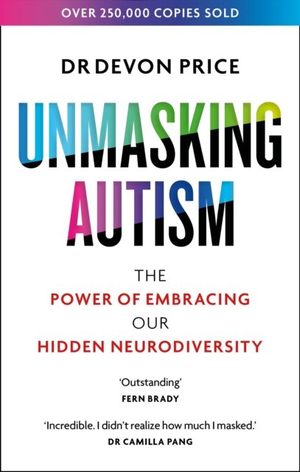
Unmasking Autism
Useful far beyond autism. This is a book about masking, exhaustion, identity and the cost of organising your life around appearing acceptable to other people. For anyone who has spent years wondering why ordinary life seems to require so much effort, it can be a very clarifying read.
Buy the book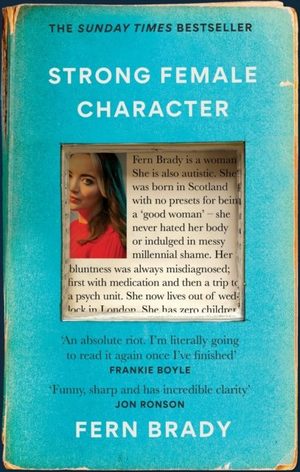
Strong Female Character
Very funny and very serious. Fern Brady writes about late autism diagnosis, psychiatric care, destructive coping and what happens when the explanation for your life arrives decades late. It is sharp, unsentimental and often hilarious.
Buy the book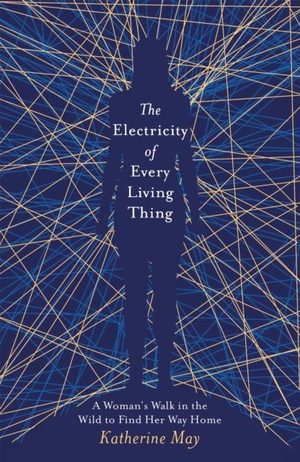
The Electricity of Every Living Thing
A quiet, beautifully observed memoir about walking, motherhood, overwhelm and gradually recognising autism in yourself as an adult. Katherine May writes with unusual gentleness about the feeling of being slightly out of step with the world and the relief that can come when your life finally begins to make sense in a different way. Less about diagnosis than recognition.
Buy the bookBooks worth reading beyond recovery literature

The Little Prince
A former client gave me this book after a piece of work that was complex and difficult at times, but also profoundly connected and hopeful. It stayed with me for that reason.
Beneath its apparent simplicity is a book about love, attachment, loss, responsibility and the things we fail to see when life becomes too complicated. I came to it through a relationship that mattered to me, and perhaps that is why its central idea landed so deeply: what becomes important to us often becomes important because of the time, care and attention we have given it.
Buy the book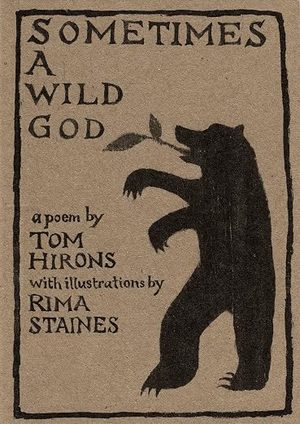
Sometimes a Wild God
I came to this poem through grief. My partner, who had lived with bipolar disorder for many years, died by suicide when he was twenty-eight. The first time I read it, the wild god conjured him in ways I did not expect.
He could be larger than life. Brilliant, magnetic, chaotic, funny, frightening at times, and profoundly vulnerable underneath it all. His mania could be challenging, but it also had this extraordinary ability to break through the respectable surface of things and expose something more truthful underneath. Pretence fell away. What was left could feel profound, scary and completely grounded in truth all at once.
That is what I recognise in this poem. The wild god disrupts the orderly surface of life and brings everything underneath it into the room: fear, pain, laughter, grief, desire, tenderness. He cannot be reduced to danger, because there is woundedness and beauty there too.
The poem helped me hold those contradictions together after he died. He could unsettle a room and, at the same time, connect people to something deeply human and authentic. The scale of his mania could be overwhelming, but he was also delicate.
I do not read this as a poem about bipolar disorder. I read it as a poem about wildness, vulnerability, grief and what happens when someone enters your life who makes it impossible to stay entirely defended.
If this touches something for you, Samaritans are there on 116 123, any time.
Buy the book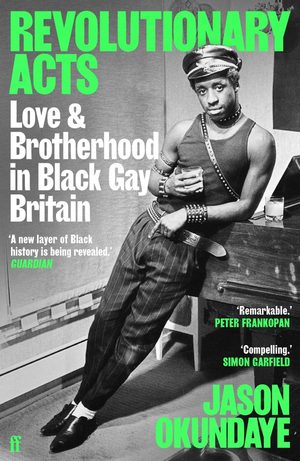
Revolutionary Acts
A remarkable history of Black gay Britain told through the lives of men whose stories have too often sat outside the official record. Okundaye writes about love, sex, friendship, nightlife, AIDS, racism, family, resistance and the communities people built for themselves when wider society offered very little space.
This book matters to me because it sits close to my own community and to the research I did at Cambridge, and I read it with curiosity rather than any claim to the experiences at its centre. It deepened my understanding of a generation of men whose lives helped shape contemporary gay Britain.
What I love most is how alive the book feels. It is not simply about exclusion or struggle. It is also about humour, desire, friendship, style, creativity, resilience and the extraordinary ways people make community for themselves. It is political, but never at the expense of the people at its centre.
Warm, funny, generous and deeply human.
Buy the bookStart with a conversation.
The first conversation is free, with no obligation. I reply the same day, every time.
Message on WhatsApp Call +44 7448 710827 Confidential enquiry by email